The journal
The body, explained
Explainers, decoders, and field guides from the layers studio: what our instruments measure, what the numbers mean, and how to move them.

Featured · Program · Skin
The layers skin experiment
Two facial scans, ninety days apart, read by a dermatologist who recommends what to change in between.
Skin
03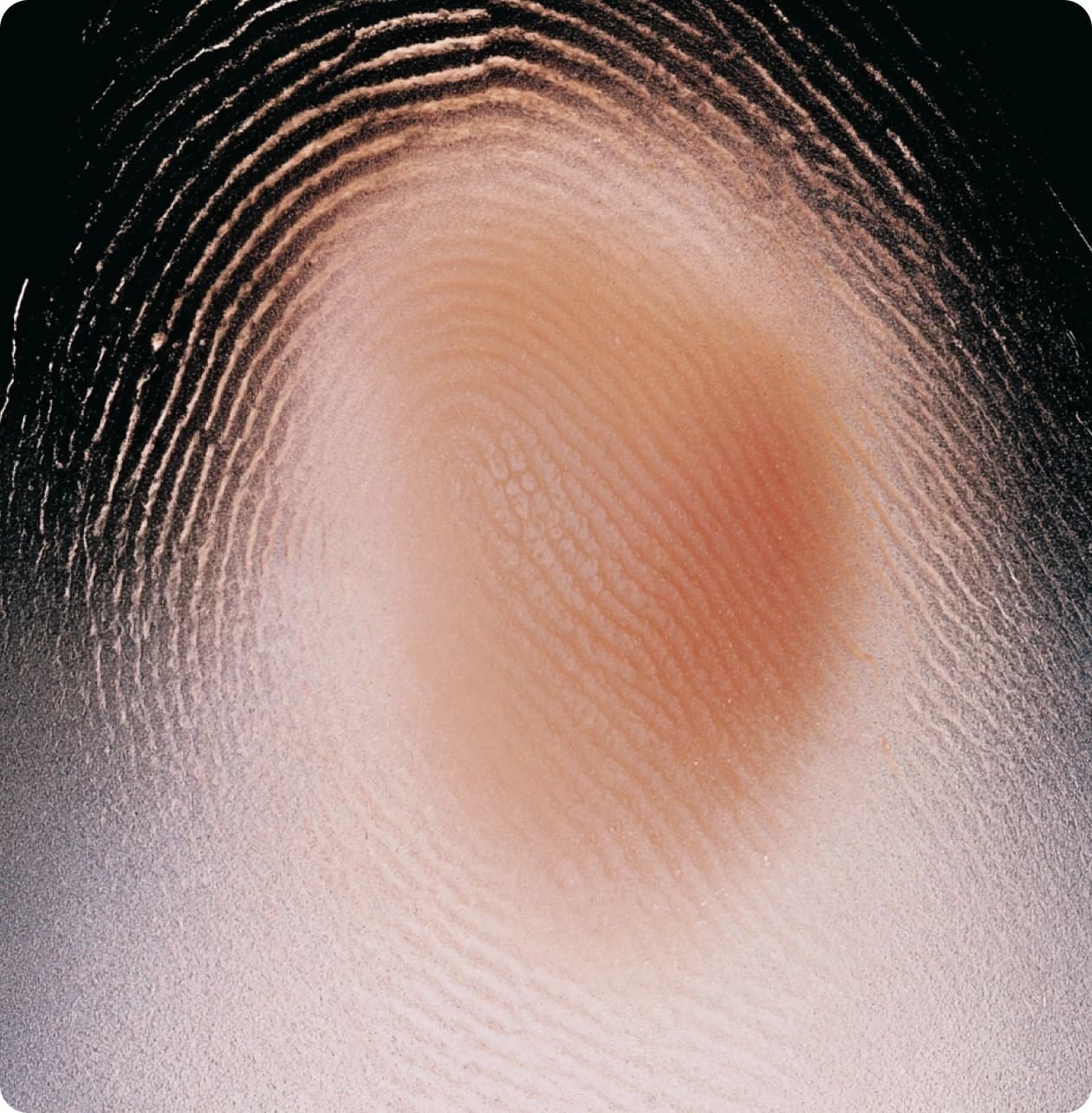
01 · Explainer · 5 min
What a multispectral skin scan actually measures
White, ultraviolet, and cross-polarized light each read a different depth of your skin. Eight measures come out; here is what each one means.

02 · Explainer · 4 min
The sun damage you cannot see yet
Melanin accumulates below the surface years before it reaches a mirror. Ultraviolet photography makes it visible while it is still reversible.

03 · Explainer · 5 min
Skin age vs. real age: how percentile scoring works
Your scan places every measure against people of your age and skin type. What the reference population is, and what actually moves your score.
Blood
03
04 · Comparison · 5 min
ApoB vs. LDL: the heart marker your physical skipped
LDL-C weighs the cargo; ApoB counts the particles that carry it. Why the particle count predicts risk better, and the range worth aiming for.
05 · Guide · 5 min
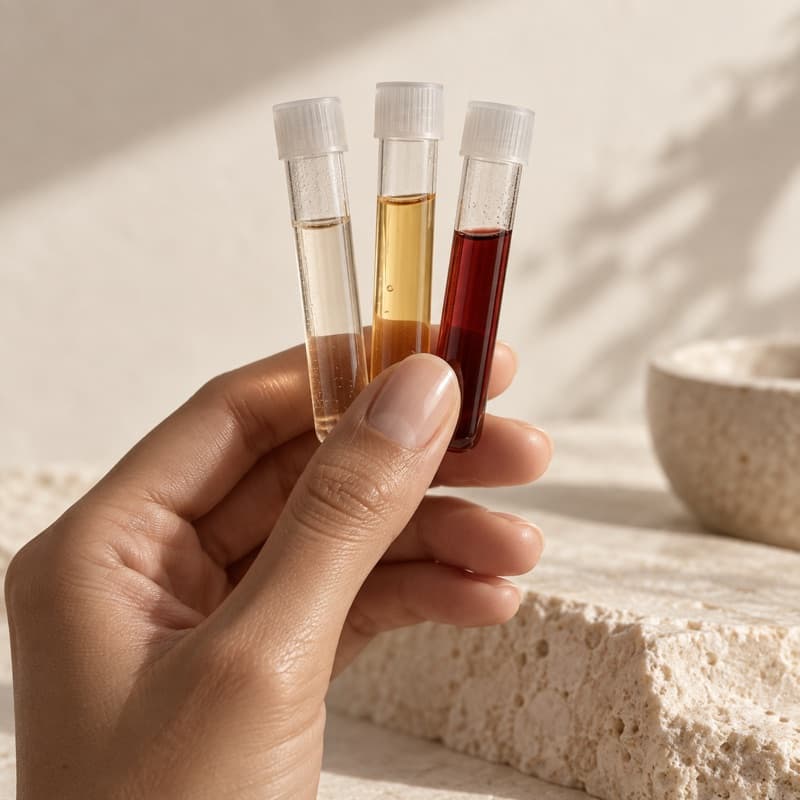
The blood panel worth repeating: twelve biomarkers that change decisions
Most of a standard panel barely moves in a year. The short list that shifts within a season, and why cadence matters more than coverage.

06 · Explainer · 6 min
HbA1c, fasting glucose, and insulin, read together
Each marker alone can look normal while the pattern drifts. How the three combine into an early read on metabolic health.
Body
04
07 · Decoder · 6 min
How to read your DEXA scan
Body fat percent, lean mass, visceral fat, and bone density, region by region. A decoder for the report you get the night after your scan.

08 · Explainer · 4 min
Visceral fat: the number worth tracking
The fat around your organs behaves differently from the fat under your skin. What a healthy level looks like and how fast it responds.
09 · Comparison · 4 min
DEXA, bioimpedance, and the bathroom scale
Three readings of the same body can disagree by ten pounds of fat. What each method actually sees, and when the cheap one is enough.

10 · Guide · 5 min
Bone density in your 30s and 40s: why peak mass matters
Bone is easiest to keep and hardest to rebuild. The case for a first scan decades before screening age, especially for women.
Hair
01
Protocols
02
12 · Guide · 4 min
How often should you re-measure?
Skin turns over in weeks, blood in months, bone in years. A cadence for each layer, and the case against testing faster than biology moves.

13 · Guide · 4 min
Baseline first: measure before you change anything
Every protocol started without a baseline is a result you never get back. How to sequence measurement around an intervention.